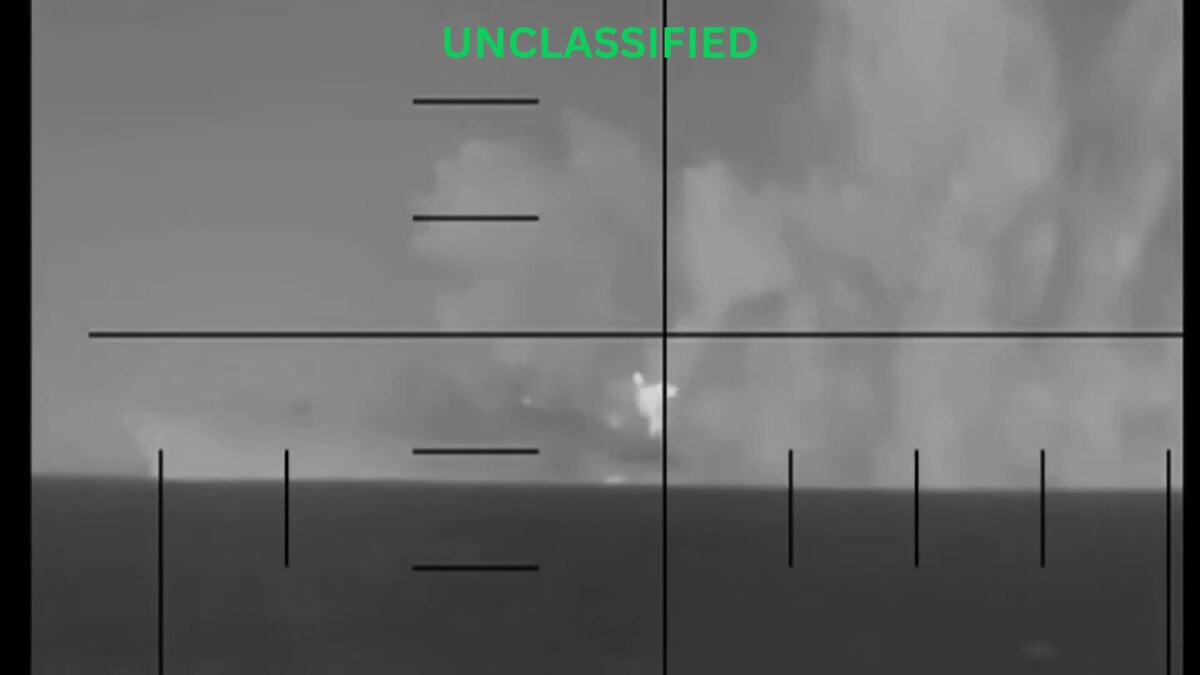
A Historic First: US Submarine Silently Sinks Iranian Frigate with MK-48 Torpedo
The waters off Sri Lanka recently bore witness to a seismic shift in modern naval warfare, as a U.S. attack submarine executed a decisive strike, sinking an Iranian Moudge-class frigate, the IRIS Dena (75), with an MK-48 heavyweight torpedo. This unprecedented event, confirming that an
iranian frigate was torpedoed, marks a significant historical milestone: it is the first time since World War II that a U.S. submarine has successfully engaged and destroyed another vessel using a torpedo. The incident extends the ongoing conflict with Iran into the vast expanse of the Indo-Pacific, fundamentally altering strategic calculations and demonstrating the unparalleled reach and stealth capabilities of the American naval fleet.
Defense Secretary Pete Hegseth, addressing reporters at the Pentagon, starkly described the attack as a "quiet death," highlighting the silent, unseen nature of the submarine's devastating blow. Chairman of the Joint Chiefs, Gen. Dan Caine, provided further details, confirming the use of the formidable MK-48 torpedo and emphasizing the precision and power behind the strike. The sinking of the IRIS Dena, which had previously operated in the Bay of Bengal for exercises, sends a clear message about the global extent of U.S. power projection and the vulnerability of surface combatants to advanced submarine technology.
Expanding Fronts: The War Reaches the Indo-Pacific
The engagement off Sri Lanka is more than just a tactical victory; it signifies a dramatic expansion of the conflict with Iran, drawing the U.S. 7th Fleet into the fray. Previously contained largely within the Arabian Gulf and surrounding Middle Eastern waters, the conflict has now demonstrated a truly global reach. Defense Secretary Hegseth underscored this, stating that the Iranian warship "thought it was safe in international waters," only to be struck by a torpedo. This particular detail is crucial, as it indicates a willingness to engage adversaries far from traditional theaters, underscoring the universal nature of maritime security and freedom of navigation.
The Indo-Pacific region, home to vital shipping lanes and complex geopolitical dynamics, now finds itself a potential hotspot in a broader confrontation. This geographical expansion carries significant strategic implications, not only for Iran, whose naval assets are now at risk across vast distances, but also for regional and global powers monitoring the evolving security landscape. The ability of a U.S. submarine to operate undetected and deliver such a decisive strike thousands of miles from the Persian Gulf serves as a stark reminder of America's capacity to project power anywhere on the globe. For a deeper dive into this significant geographical shift, read our related coverage:
War Expands to Indo-Pacific: US Submarine Torpedoes Iranian Dena.
The MK-48 heavyweight torpedo itself is a marvel of naval engineering, designed to be fired from submarines and capable of deep-diving, high-speed performance. It utilizes advanced acoustic homing, often with a wire-guidance system allowing the submarine to direct the torpedo to its target after launch. This combination of stealth, precision, and overwhelming destructive force makes the submarine-torpedo combination one of the most potent weapons systems in modern naval warfare. Its use in sinking an Iranian frigate illustrates a significant leap in the direct application of this power in an active conflict zone.
Operation Epic Fury: Neutralizing Iran's Naval Power
The sinking of the IRIS Dena is not an isolated incident but rather a critical component of a larger, ongoing campaign dubbed "Operation Epic Fury." General Dan Caine revealed that since the operation began, the U.S. has systematically targeted and destroyed over 20 Iranian naval vessels, in addition to the frigate and one Iranian submarine. "We've effectively neutralized at this point in time Iran's major naval presence in theater out there," Caine affirmed, signaling a comprehensive effort to dismantle Iran's maritime capabilities.
Admiral Brad Cooper, commander of U.S. Central Command (CENTCOM), has been even more explicit about the objectives. In a video posted on social media, Cooper declared the U.S. focus to be "sinking the Iranian Navy – the entire Navy." This ambitious goal appears to be progressing rapidly, with Cooper later stating, "Today there is not a single Iranian ship underway in the Arabian Gulf, Strait of Hormuz or Gulf of Oman, and we will not stop."
Iran's naval capability is bifurcated into two distinct forces: the conventional Iranian Navy, which includes submarines and surface ships like the Dena, and the Islamic Revolutionary Guard Corps Navy (IRGCN), a sectarian force primarily responsible for the Strait of Hormuz and coastal defense. The distinction is crucial, as the targeting appears to encompass both, reflecting a comprehensive strategy to diminish Iran's sea power. The Department of Defense and CENTCOM have even posted videos to social media, visually confirming strikes, including one showing an IRGC Navy Shahid Soleimani-class corvette engulfed in smoke. The relentless focus on neutralizing Iran's naval assets through actions like the
iranian frigate torpedoed incident underscores a strategic shift aimed at denying Iran any significant maritime presence. For more on the broader strategy and impact, see our article:
Operation Epic Fury: US Submarine Strike Neutralizes Iran's Navy.
The Aftermath and Global Implications
While the military success of the strike is clear, the human cost is tragically evident. Sri Lankan Navy’s media director, Cmdr. Buddhika Sampath, reported that search and rescue operations managed to save 32 survivors from the IRIS Dena. However, 148 other sailors remain missing, with hopes of finding more dwindling in the vastness of the Indian Ocean. This loss of life highlights the severe consequences of modern naval engagements and the inherent dangers faced by personnel at sea.
The sinking of the IRIS Dena reverberates far beyond the immediate conflict zone. It serves as a potent demonstration of the capabilities of modern submarine warfare, reinforcing the enduring relevance of stealth and advanced weaponry in contemporary naval strategy. For other navies, particularly those relying on surface fleets, this incident provides a stark lesson in the critical importance of robust anti-submarine warfare (ASW) capabilities and the imperative of maintaining situational awareness in all international waters. The phrase "quiet death" perfectly encapsulates the existential threat posed by unseen predators beneath the waves.
Furthermore, this event underscores the role of advanced intelligence, surveillance, and reconnaissance (ISR) capabilities. The ability to locate, track, and ultimately target a vessel operating in international waters is a testament to sophisticated intelligence gathering and operational coordination. The U.S. military's commitment to continue striking infrastructure and naval capability in the coming days suggests a sustained, deliberate campaign to achieve its military objectives. This incident sets a new precedent for naval engagement, where conventional surface fleets, even in seemingly safe international waters, must contend with the ever-present, silent threat of a torpedo-launching submarine. The strategic landscape of maritime power projection has unequivocally shifted.
In conclusion, the sinking of the IRIS Dena by a U.S. submarine using an MK-48 torpedo marks a pivotal moment in naval history and the ongoing conflict with Iran. This "historic first" not only signifies a profound expansion of the conflict into the Indo-Pacific but also showcases the devastating effectiveness of modern submarine warfare. The incident, where an
iranian frigate was torpedoed, has significantly neutralized Iran's naval capabilities and sent an unmistakable message to global adversaries about the reach and stealth of U.S. power. The strategic implications will undoubtedly resonate for years to come, reshaping doctrines, enhancing naval deterrence strategies, and underscoring the ever-present dangers in the world's oceans.